

Introduction
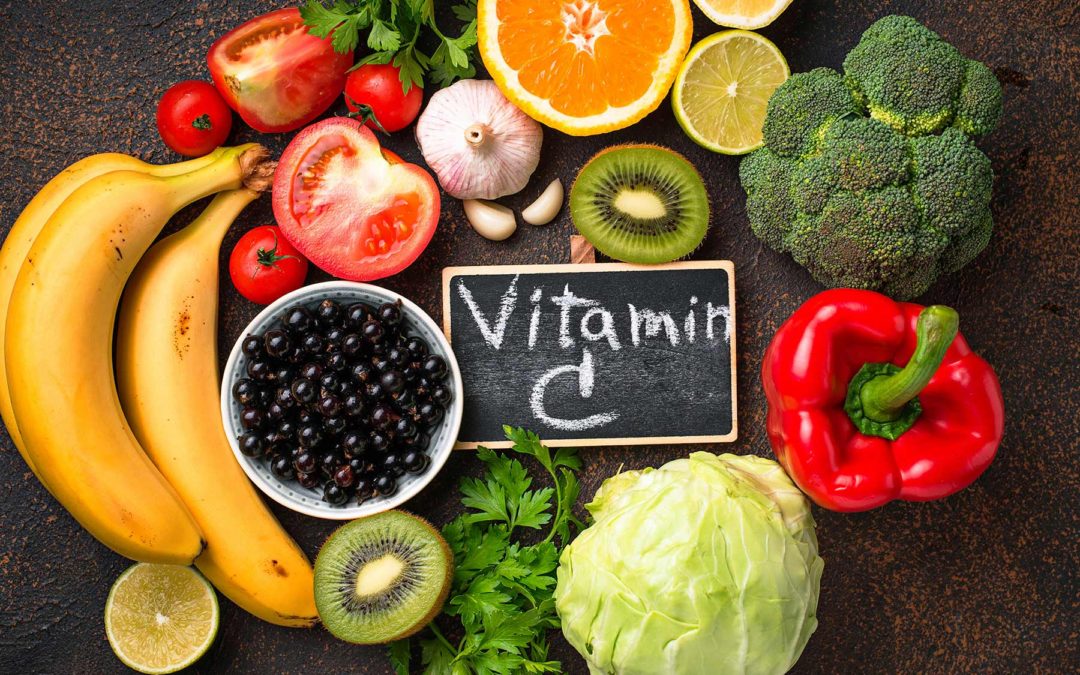
When you think about vitamin C, the first thing that comes to your mind is probably lemons. It’s a no-brainer that vitamin C is healthy, especially in times like these, where it is imperative to boost your immunity and protect yourself against viruses. And, a no-brainer that lemons are a great source of healthy vitamin C. But most people find lemons a bit too much when it comes to their taste.
Sure, you can make lemonade, but it usually ends up with sugar to kill the lemons’ taste, which means it is no longer that healthy. Other citrus fruits such as oranges, lime, mandarins, and similar you can eat more of and are excellent food sources of Vitamin C and lemon alternatives, and I invite you to try them.
But this article will focus on three surprising food sources of vitamin C that you can easily include in your nutrition, boosting your vitamin C intake while still enjoying your meals. No, lemons are not apart of the list.
Food #1: Potatoes
Yes, the plain old potato nobody ever talks about, and the keto dieters demonize, has around 20 milligrams of natural vitamin C. Plus, potatoes contain fiber, potassium, folate, and vitamin B6. They even include some protein too.
Of course, only eating potatoes is not a good idea, as they do contain a lot of carbs, primarily starch, and the calories add up quickly. However, because potatoes are so cheap, widely applicable, and can fit any meal, knowing they are a good source of vitamin C is a big plus.
Still, if you want to get the most of your potatoes, don’t (deep) fry them. Instead, opt for baking potatoes in the oven with some olive oil. That will be even tastier, and you will get even more nutrients out of them.
Food #2: Bell Peppers
Although you are probably not surprised that peppers contain vitamin C, the amount of it inside them is why I’ve put them on the list.
A single (yellow) pepper can contain more than 300 mg of vitamin C. One cup of lemons only has around 120 mg of vitamin C, and you are much more likely to eat a tasty pepper than a cup of lemons, are you?
Plus, peppers are great on their own, but also fit many different dishes, and you can easily include more of them into your diet. Of course, peppers are best raw but are still healthy, even if you cook them.
Food #3: Tomatoes
Another typical food that you can find in various dishes (you eat anyway) is tomatoes. It turns out that tomatoes contain a nice amount of vitamin C, too. Tomatoes also contain potassium, folate, vitamin K1, fiber, and many other micronutrients. And they taste great.
One medium-sized tomato can give you around 1/3 of the needed daily amount of vitamin C. So if you make a salad with several tomatoes and put some peppers into it as well, you are covered for the whole day. And if you want to level up your tomato game, you can try tomato soup too.
Bottom Line – It Is Quite Hard To Be Vitamin C Deficient
Because tomatoes, peppers, and even potatoes contain vitamin C, and that you can find it in various other fruits and veggies, it is next to impossible to be vitamin-C deficient if you have somewhat balanced nutrition.
When you take into consideration that you only need about 90 mg of vitamin C to be healthy, there is no reason why you should use supplements, nor force-feed yourself with lemons – just a balanced diet will do. The bottom line is that you can relax – you are more than likely getting the required amount of vitamin C anyway, even without stressing about it.

Recent Comments