

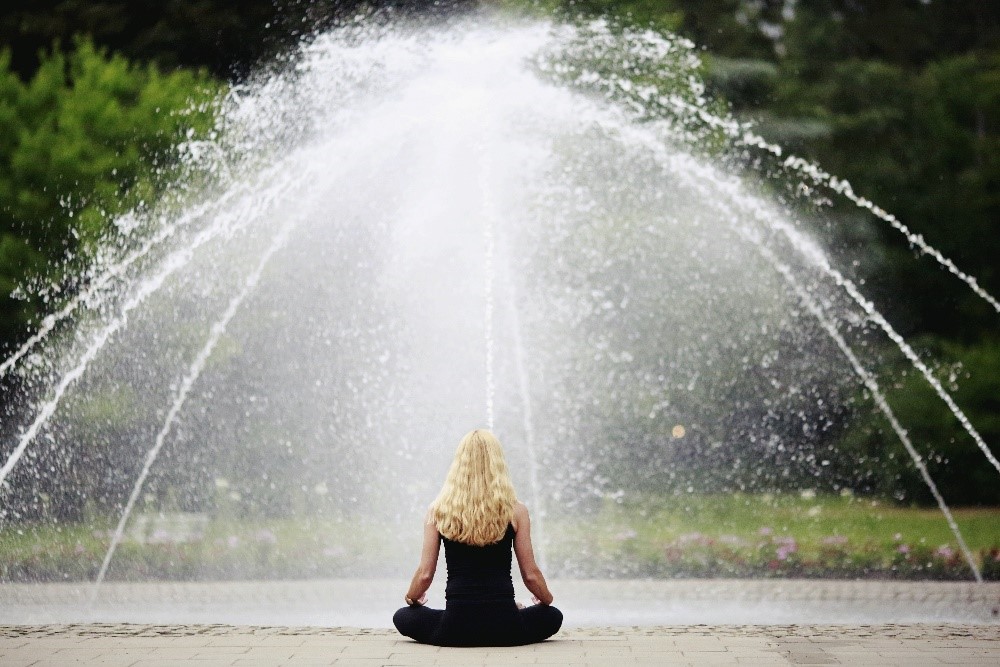
The benefits of meditation and mindfulness can be never-ending. Meditation is a term that describes the habit of focusing and redirecting your thoughts. You train your mind to do so.
Meditation is becoming more popular by the day. There is an increase in the number of people who have discovered its benefits. Meditation can help you to be more aware of yourself and your environment. Some people consider it as a way to improve their concentration and ease stress. People meditate for other reasons such as self-discipline, a positive outlook and mood, increased tolerance to pain, and healthy sleep patterns.
You see, meditation and mindfulness have been in practice for thousands of years, and for good reason. So, this article will review those reasons – some of the health benefits of meditation and mindfulness.
Meditation Reduces Stress
Meditation has other great health benefits such asreducing stress. A 2014 review by Goya et al. found that meditation helps with stress reduction (1).
Stress, both physical and mental, increases the level of cortisol. Cortisol is the stress hormone. The increase in cortisol level produces the many harmful effects of stress, including the release of cytokines. Cytokines are inflammatory chemicals.
The side effects of cytokine release include sleep disruption, promotion of anxiety and depression, high blood pressure, cloudy thinking, and fatigue.
An 8-week study by Rosenkranz et al found that “mindfulness meditation” reduced stress-related inflammation (2).
Also, results from several pieces of research have shown that meditation can improve symptoms of stress-related conditions, such as post-traumatic stress disorder, irritable bowel syndrome, and fibromyalgia (3, 4, 5).
Meditation Controls Anxiety
Meditation has several health benefits such as a stress-reducing effect, translating to less anxiety.
A 2014 meta-analysis involving 1,300 adults found that meditation has anti-anxiety effects. This effect was more potent in people who had very high levels of anxiety (6).
Another study found that mindfulness meditation for 8 weeks caused a drastic reduction in anxiety symptoms in people experiencing a generalized anxiety disorder. It also improved their ability to cope with stress (7).
In another study, 47 subjects experiencing chronic pain found that 8 weeks of meditation improved their anxiety, depression, and pain over a year (8).
Some research also suggests that meditation and mindfulness exercises can reduce anxiety levels (9).
For instance, it has been discovered that yoga has anxiety-reducing effects. This benefit may be attributed to the combined meditation and physical activity that is characteristic of yoga (10).
Meditation also eases job-related anxiety. A particular study found that workers who practiced 8 weeks of mindfulness meditation via an app felt better, less distressed, and less job strain (11).
Meditation Boosts Emotional Health
Research has shown that some forms of meditation improve an individual’s self-image and gives the person a better perspective on life.
For instance, a study reviewing the treatments of about 3,500 adults found that mindfulness meditation reduced the symptoms of depression in these adults (12).
Also, a study showed that individuals who received meditation therapy experienced less depression, compared with the control subjects (13).
In another study, individuals who were involved in meditation found themselves having more positive thoughts and less negative thoughts, compared with those in the control group (14).
It is also important to note that cytokines can affect a person’s mood, resulting in depression. A study review suggests that meditation reduces depression by causing a decrease in the level of cytokines (15).
Meditation and Mindfulness Promote Self-Awareness
Mindfulness meditation helps you to see yourself from a better perspective. This helps you to develop into a better version of yourself.
For instance, self-inquiry meditation has an awesome benefit has it helps you to have a better understanding of yourself, and your relationship with those around you.
Some forms of meditation can help you to identify self-defeating or harmful thoughts. The idea is that as you get to understand your thoughts, you can create more positive thought patterns (16, 17, 18).
A study review showed that tai chi can improve a person’s self-efficacy – this means a person’s belief in their ability to overcome challenges (19).
Another study involving 153 adults found that using a mindfulness meditation app for 2 weeks made the users feel less lonely and increased social interaction compared with the control (20).
Also, meditation does improve one’s creativity in solving problems (21).
Increases Attention Span
When you focus on your meditation, you increase the endurance and strength of your attention.
For instance, a particular study found that listening to a meditation CD results in improved accuracy while doing a task (22).
In another study, individuals who engaged in regular meditation performed their visual tasks better than those who had no experience in meditation. Their attention span was also greater than those who did not meditate (23).
Another study review showed that meditation could reverse brain patterns that contribute to worrying, mind-wandering, and a low attention span (24).
The fact is that meditating for a short period every day may be beneficial. According to a 2019 study by Basso et al. meditating for 13 minutes each day can enhance memory and attention (25).
Meditation Can Reduce Memory Loss Due to Aging
Improved attention and clear thinking can keep your mind young and strong.
You can focus your thoughts and improve your attention by practicing Kirtan Kriya. It is a form of meditation that helps you to focus your thoughts by combining a chant or a mantra with a repetitive motion of the fingers. Research has shown that individuals with age-related memory loss experience an improvement when they do the Kirtan Kriya (26).
Also, a review of studies found that meditation can improve memory, increase attention, and sharpen mental alertness in the elderly (27).
Studies also show that meditation also improves memory in dementia patients. It also helps with stress control and also improves coping in caregivers for people with dementia (28, 29).
Decreases Blood Pressure
Meditation reduces the strain on the heart.
When a person has high blood pressure, his or her heart has to work pretty hard to pump blood. Prolonged hard pumping can weaken the heart and lead to poor function.
High blood pressure also plays a role in atherosclerosis, with stroke and heart attack as complications.
A review of 12 studies involving 1,000 subjects found that meditation has a reducing effect on blood pressure. This blood pressure reducing effect was more effective among elderly participants and people with high blood pressure issues (30).
From results from research, we can say that the blood pressure reducing the effect of meditation is due to relaxation of nerve signals that regulate blood vessel tension, and heart function (31).
Summary – Everyone Can Meditate
There are so many benefits of mediation. It helps to improve your emotional and mental health. Meditation can be done anywhere, and you don’t need special memberships or equipment for this. You can also join support groups or take courses. They are widely available.
There are also many styles of meditation and mindfulness. Each has its strength and benefits. You can try meditating. Try a style that suits your goals. It is a good way to improve the quality of life that you live.

Recent Comments