

Intermittent fasting is making waves at the moment. It has become the most popular method of fasting today, and it has a wide range of approaches. One factor that has caused a lot of controversies is intermittent fasting and stevia, whether it should be used during the fast or not. Whether combining stevia with intermittent fasting is healthy or not is important to verify, and that’s the aim of this article. This article discusses everything you need to know about stevia and whether and whether it is right to combine with intermittent fasting.
What is Stevia?
Stevia is also known as Stevia rebaudina. It is a member of the family Chrysanthemum. Chrysanthemum is a subgroup of the ragweed (Asteraceae) family. It is important to note that the stevia sold at the grocery differs greatly from the one grown at home.
The stevia that is sole in the grocery does not contain whole stevia leaf. Grocery stevia like Stevia in the Raw and Truvia is made from rebaudioside (Reb-A), a highly refined extract of the stevia leaf.
It is important to note that most stevia products contain very little stevia in reality. Rebaudioside is 200 times sweeter than the regular table sugar.
Rebaudioside-based sweeteners are called “novel sweeteners” because they are blended with dextrose, erythritol, and other different sweeteners.
For instance, there’s erythritol and Reb-A in Truvia, while Stevia in the Raw contains maltodextrin and Reb-A or dextrose and Reb-A.
Some stevia brands may be naturally flavored. The FDA allows the use of the term “natural flavors,” provided the substance contains no artificial flavors, synthetics, or added flavors.
However, some ingredients that are classified as “natural flavor” may be highly processed. As such, most people think that they are not entirely natural.
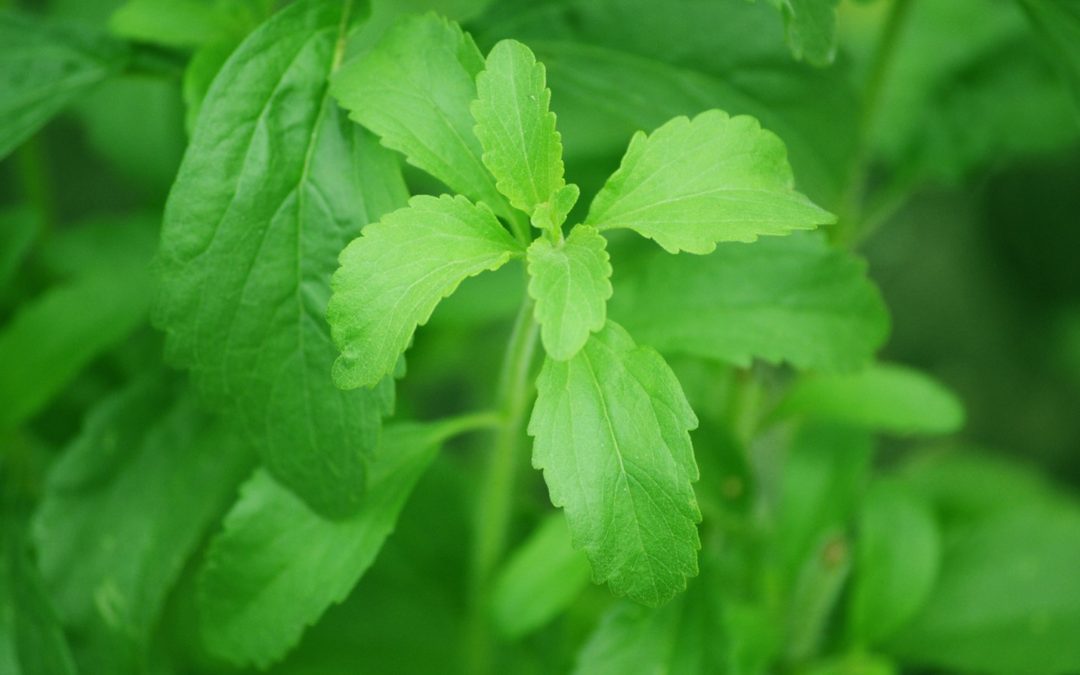
Stevia can also be cultivated at home. The leaves can be used as sweeteners in beverages and foods. Rebaudioside sweeteners are available in powder, granulated, and liquid forms.
What Are the Benefits of Using Stevia?
Stevia is a natural sweetener but non-nutritive. What this means is that it contains almost zero calories. This may be helpful for those trying to lose weight.
Currently, research is inconclusive. The health effect of non-nutritive sweeteners depends on the amount taken, as well as the time that it is taken.
Stevia may help regulate blood sugar levels in diabetic individuals.
A study conducted in 2010 examined the effect of stevia on blood glucose and insulin levels in 12 obese and 19 healthy but lean participants. Results from the study showed that stevia caused a drastic fall in glucose and insulin levels. Participants in the study were also satisfied and felt full, despite the reduced calorie intake.
The only limitation to this study is that it was carried out in a laboratory setting instead of a natural, real-life environment.
A 2009 study has also shown that stevia leaf can help in the management of cholesterol. Participants in the study were given 20 ml of stevia extract every day for a month.
Results from the study showed that stevia caused the lowering of triglycerides, LDL cholesterol, and total cholesterol without any negative side effects. It is also important to note that the stevia leaf powder increased HDL cholesterol levels. Can this same feat be achieved with lower amounts of stevia? This is yet to be known.
Stevia and the Intermittent Fasting Diet
It is no longer news that many people are addicted to sugar and other sweeteners. Many people have the habit of adding sugar to their morning tea or coffee. This may not be bad in itself, but you might want to reconsider due to the long-term health effects. For this reason, people who take sweetened drinks during an intermittent fast should be concerned. You may want to know whether there is a natural sweetener that would not alter your fasting goals.
A lot of foods are restricted when you are on a dietary plan. However, intermittent fasting does not place any restrictions on what you should eat. What matters in intermittent fasting is the time that you eat. When reviewing your fasting goals, there could be a few limitations on what you can eat. For instance, if you are fasting to lose weight, you should limit foods that are loaded with fat and sugar because of their high-calorie contents.
Does Stevia Break Intermittent Fasting and Disrupt Ketosis?
It isn’t out of place to regulate your weight even when you are on a keto diet. It is a well-known fact that taking in many calories contributes to weight gain, and in many cases, this is what a diet seeks to address. But then, while you may want to moderate your total carb intake on a keto diet, maintaining a moderate amount of protein intake becomes natural.
When you reduce your total carb intake, your body switches into a state of metabolism called ketosis. During ketosis, the fat from your food is stored in your body and converted into energy. With this, you have drastically reduced your sugar intake and eased your body’s dependence on carbohydrates for energy. With a consistent energy supply, you become less hungry.
Because one of the goals of the keto diet is to reduce your total calorie intake, you may wonder if adding sweeteners like stevia to your diet can break your fast and end your ketosis. It is, however, important to note that stevia does not increase the levels of insulin and sugar in your blood. It is also important to note that stevia does not affect fat burning or keto diet plans. Thus, if your fasting goal is to boost your metabolic health or burn some fat, then be rest assured that stevia will not affect that.
Does Stevia Have Any Side Effects?
The United States FDA recognizes Reb-A and other stevia glycosides as “safe.” However, they have not approved raw stevia extract or whole-leaf stevia for use in beverages and processed foods owing to insufficient safety information.
There are fears that raw stevia may have harmful effects on the kidneys, cardiovascular system, and reproductive system. It may also cause low blood pressure or alter the effect of blood pressure-lowering medications.
While stevia may be safe for diabetic individuals, you must exercise caution with a brand containing maltodextrin and dextrose. Maltodextrin is starch. Dextrose is glucose. These ingredients contain small amounts of calories and carbs. Sugar alcohols also cause a slight increase in carb count.
If you use stevia occasionally, it may not have any significant impact on your blood sugar. However, if you use it all day, the carbs will accumulate.
A study conducted in 2019 found an association between stevia (and other non-nutritive sweeteners) and disruption in healthy gut flora. Like other non-nutritive sweeteners, one of the major disadvantages is taste. Stevia has a taste like licorice. While some enjoy it, others may be turned off by it.
In some cases, stevia products, especially those produced with sugar alcohol, can cause diarrhea, bloating, and other digestive problems. For more information, consult your healthcare professional before starting any new diet regime.

Recent Comments