


Foundational Chiropractic and Parkinson’s disease have shown in research studies to control the secondary conditions of this disease. Parkinson’s disease, abbreviated PD, is a neurological condition that gets worsens gradually. This disease affects the central nervous system. Parkinson’s disease has no cure, but then, there are ways that you can slow the progress. We will discuss these in this article.
There are five stages of Parkinson’s disease. We will discuss these stages and the symptoms that occur in each stage. Does upper cervical chiropractic care help to relieve Parkinson’s disease? Yes, it does. How? We will get to find out as well.
Stages of Parkinson’s Disease
Parkinson’s disease affects patients differently. Progression of the disease also varies in each patient. Nevertheless, these are the typical stages in which the condition occurs.
Stage 1
This stage is characterized by mild symptoms. The patient can still go about his or her daily life without any changes. He or she will experience mild tremors and other symptoms related to movement. His or her gait and posture may also be affected, but slightly.
Stage 2
The symptoms will get worse. The tremors and other symptoms will spread across the sides of the body. This means that the symptoms will become bilateral. Gait and posture issues become more obvious. The patient begins to experience difficulty in completing certain functions. This is time-consuming and sometimes frustrating.
Stage 3
This is the mid-stage of the disease. The patient struggles with balance. His or her movements become slow and shaky. Simples tasks like dressing and eating become difficult. However, the patient can still maintain his or her independence at this stage.
Stage 4
At stage 4, the disease has grown in complexity. The patient can no longer maintain his or her independence. Balance issues and tremors become severe. The patient may only walk with the aid of a walker. To perform daily activities, he or she may need assistance.
Stage 5
This is the most advanced stage of Parkinson’s disease. Standing may be near impossible, let alone walk. Patients in this stage are usually in a wheelchair or bedridden. They require 24/7 assistance with activities of daily living. They may also experience hallucinations or delusions alongside the physical symptoms.
Early symptoms like muscle stiffness, tremors, impaired balance, gait issues, and slow movement worsen as the disease progresses. Secondary symptoms like dementia, anxiety, and depression sets in as the condition progresses. The common age of onset of this disease is usually 60 years and above, but there’s the possibility of early-onset.
Care for Parkinson’s Patients
There will be a deterioration of the patient’s health and quality of life. However, this condition may not shorten an individual’s lifespan. Care is therefore focused on slowing the disease’s progression and assisting the patient in living a good quality of life as well as maintaining some level of independence for as long as possible.
Because Parkinson’s majorly affects the central nervous system, this part of the body must be kept functioning at optimal levels. Now, let’s examine how we can maintain proper CNS function using Upper Cervical Chiropractic.
Foundational Chiropractic and Parkinson’s Disease: A Natural Procedure Toward Slowing the Progression of Parkinson’s disease
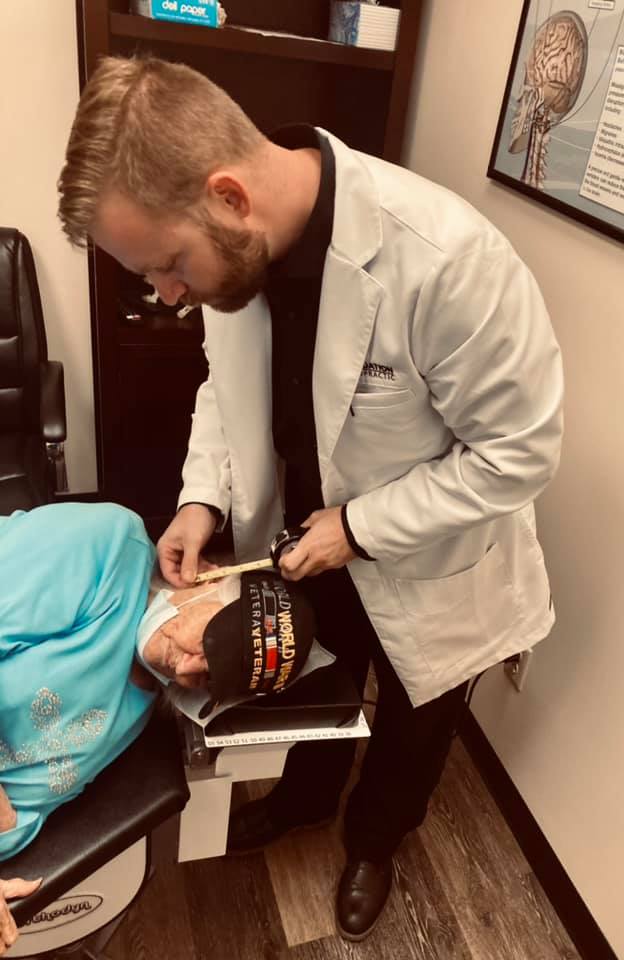
The atlas and axis are the two top bones in the spine. They affect the function of the central nervous system immensely. Both bones affect CNS function in the following ways:
Blood Flow
The upper cervical spine plays an important role in facilitating the flow of blood to the brain. Each cervical vertebra contains what is known as the vertebral foramen. These bone loops serve as a passage for vertebral arteries carrying blood to your brain. If there’s a misalignment, blood flow gets affected. And when the flow of blood is affected, oxygen supply lessens, and brain function can be affected.
Brainstem Function
The brainstem links the brain to the spinal cord. It is responsible for most of the body’s unconscious functions, like breathing. Most signals are used to communicate between the brain and the body pass through the brainstem as well. This vital area is protected by the atlas. It is important to note that a misalignment of the atlas can pressurize the brainstem and inhibit optimal functioning.
Cerebrospinal Fluid Drainage
The cerebrospinal fluid lubricates the spinal cord and the brain and also flushes away toxins from both organs. An upper cervical misalignment may cause inhibition of drainage. This can cause many issues. There may be pooling of cerebrospinal fluid and intracranial pressure. Correcting this misalignment is important so that blood can flow properly.
Cervical misalignment affects the CNS. This explains why many case studies have revealed the benefits of upper cervical chiropractic care for people with Parkinson’s disease.
For instance, a study conducted in 2000 by Elster EL found that upper cervical chiropractic care aided by thermal imaging and cervical radiographs had a successful outcome for a 60-year-old Parkinson patient.
Erin Elster, in his 2004 study, observed that there was a link between upper cervical injury induced by trauma and disease onset. For both Multiple Sclerosis and Parkinson’s diseases. Correcting the injury to the upper cervical spine through the use of IUCCA protocol may arrest and reverse the progression of both MS and PD.
Robert Bello, in a 2011 study, reported a symptomatic improvement of a Parkinson patient. The 66-year-old female patient who received upper cervical chiropractic care experienced an improvement in her condition, demonstrating the far-reaching possibilities of specific upper cervical care in a non-musculoskeletal case.
Schedule a Complimentary Consultation
If you are suffering from Parkinson’s disease, or your loved one is, and you want a natural alternative to conventional care, then you should try upper cervical chiropractic. Schedule a consultation with your local Foundational Chiropractor. You can also consult Dr. Brett Berner of Foundation Chiropractic, Lutz, FL. We will be happy to discuss with you and put you back on the path to optimal function and well-being. Who knows, an examination of your upper cervical spine may be all you need to enjoy better health and wellness.
References
Elster EL. Upper Cervical Chiropractic Management of a Patient with Parkinson’s Disease: A Case Report. J Manipulative Physiol Ther, 2000; 23(8):573-7.
Elster E. Eighty-One Patients with Multiple Sclerosis and Parkinson’s Disease Undergoing Upper Cervical Chiropractic Care to Correct Vertebral Subluxation: A Retrospective Analysis. J Vertebral Subluxation Res, August 2, 2004:1-9
Bello R. Symptomatic Improvement in a Patient with Parkinson’s Disease Subsequent to Upper Cervical Chiropractic Care: A Case Study. J Upper Cervical Chiropr Res, June 13, 2011:31-8.

Recent Comments