


What’s the Difference Between Vertigo & Dizziness?
When a person is dizzy, he or she feels woozy, unbalanced, and lightheaded. Dizziness has a negative effect on the sensory organs, mostly, so in some cases, it may lead to fainting. It is important to note that dizziness is not a disease on its own, but a symptom of underlying disorders.
Dizziness may also come as a result of disequilibrium and vertigo. But then, one must note that vertigo and dizziness do not mean the same thing. When a person experiences vertigo, it will seem like the room is moving. That means the person is experiencing some kind of spinning sensation.
The vertigo experience is also similar to motion sickness. Disequilibrium refers to a loss of equilibrium or loss of balance. When you are dizzy, you will feel lightheaded or as if you are fainting.
Dizziness is a common condition. In many cases, it usually doesn’t have a serious underlying cause. There’s no need to worry if your dizziness comes occasionally. But if it is persistent, and with no identifiable cause or reason, then you should consult your doctor.
What Causes Dizziness?
Common factors that trigger dizziness include medications, migraine, and alcohol. You may also feel dizzy if your inner ear has a problem. You see, the inner ear is where balance is regulated.
Vertigo may also contribute to dizziness. Most cases of vertigo-related dizziness may be attributed to benign positional vertigo. Benign positional vertigo may cause dizziness when a person does a quick change of position, like sitting up in bed after lying down for a long time.
Another condition known as Meniere’s disease, can also trigger vertigo and dizziness. Meniere’s disease causes the accumulation of fluid in the ear. The result is fullness of the ear, tinnitus, and hearing loss. Dizziness and vertigo may also be caused by an acoustic neuroma. Acoustic neuroma is a non-cancerous tumor that occurs on the nerve linking the inner ear to the brain.
Other causes of dizziness include:
- Heart muscle disease
- Drastic reduction in blood pressure
- Hypoglycemia (low blood pressure)
- Anxiety disorders
- A decrease in blood volume
- Dehydration
- Heatstroke
- Anemia
- Motion sickness
- Excessive exercise
In some cases (although rare), stroke, multiple sclerosis, and malignant tumors in the brain may cause dizziness.
When Should You See Your Doctor About Dizziness?
If the bouts of dizziness come repeatedly, then you should notify your doctor. Also, see your doctor if you experience dizziness alongside:
- A headache
- Head injury
- Dizziness
- High fever
- Aches in the neck region
- Hearing loss
- Cloudy vision
- Consistent vomiting
- Difficulty speaking
- Tingling or numbing sensation
- Chest pain
- Loss of consciousness
Sometimes, having these symptoms could mean that you’ve got some serious health problem. This explains why you should consult your healthcare provider without delay.
Treatments for Vertigo or Dizziness
Treatment for this condition focuses on the primary cause. In many cases, the condition can be controlled with medical treatments and home remedies. For instance:
- You could use medications to manage inner-ear conditions. You can also manage it with balance exercises.
- You can resolve benign positional vertigo with maneuvers. If your BVP cannot be controlled with maneuvers, then you can opt for surgery.
- Certain medications and lifestyle changes can treat migraines.
- Ear surgery, injections, or a low-salt diet can help with the treatment of Meniere’s disease.
- If your dizziness is due to heat, dehydration, or exercise, then try drinking plenty of fluids.
Can Vertigo be Treated with Foundational Chiropractic?
Foundational Correction specifically targets the upper cervical spine, where the top neck bones are located. The goal of treatment is to ensure that these bones are working optimally. Foundational Chiropractors focus on the keystone to the body’s foundation — C1 and C2 vertebrae.
Your neck is one of the most vital and very complex parts of your body. At Foundation Chiropractic, we understand that how much you desire to be in good health, and we know that for you to be in good health, your brain must maintain optimum communication with your body.
If you have a trauma in the upper part of your neck, you may be at risk of paralysis or death, in extreme cases. However, a slight injury can cause long-term damage to your health. You can liken this to a pebble lodged in your shoe. If it stays there for a long time, it becomes a big problem.
Neck misalignments, called Foundational Shifts, affect your nerves and blood vessels and affect your body’s self-healing capabilities by causing nerve irritation. Foundation Chiropractic employs a technique different from that used by regular chiropractors. We ensure that your neck bones are working as they should.
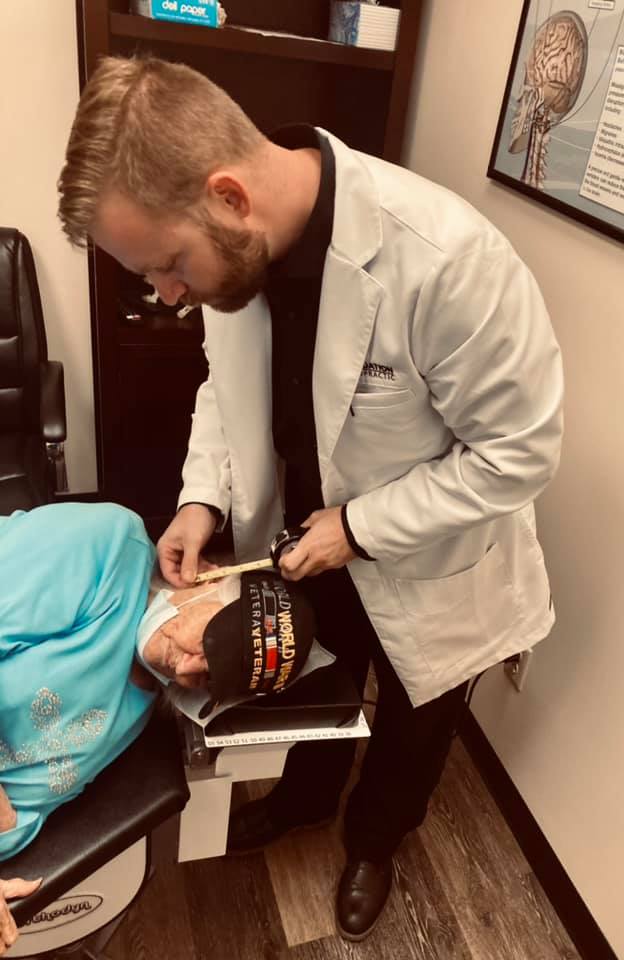
Dr. Berner and his team will focus on the upper neck bones and ensure that they are properly aligned. If C1 or C2 vertebra are shifted, they will create a lot of pressure on your brainstem. This pressure will send the wrong signals to your brain. Your brain will then misinterpret these signals, thinking that your body is in motion, whereas it isn’t. The results are vertigo symptoms.
Here at Foundation Chiropractic, we use a specific method that does not require popping or cracking your spine. Instead, we will gently move your bone back into position. With this, your body can heal faster and better.
Schedule a Complimentary Consultation
If you are constantly feeling dizzy, or your loved one is, and you want a natural alternative to mainstream medical care, then you should try Foundational Chiropractic. Schedule a complimentary consultation with a nearby Foundational Chiropractor. You can also consult Dr. Brett Berner of Foundation Chiropractic, Lutz, FL by calling 813-578-5889 to schedule. We will be happy to discuss with you the Foundational Difference and put you back on the path to optimal function. Who knows, a comprehensive examination of your upper cervical spine may be all you need to enjoy life to its fullest.
References
Mayheu A, Sweat M. Upper Cervical Chiropractic Care of a Patient with Post-Concussion Syndrome, Positional Vertigo, and Headaches. J Upper Cervical Chiropr Res, January 6, 2011:3-9.
Davis WR, Basillio RF. Resolution of Brachioradial Pruritis, Vertigo & Neck Pain Following Introduction of Upper Cervical Chiropractic Care: A Case Study. J Upper Cervical Chiropr Res, April 14, 2011:22-4

Recent Comments